Sort by:
Recommended products



Sviatoslav Vakarchuk is a Ukrainian rock musician, singer-songwriter, and frontman of the band Okean Elzy, one of the most successful rock acts in Ukraine and Eastern Europe. Born on May 14, 1975, in Mukachevo, Ukraine, Vakarchuk has become an iconic figure in Ukrainian music, blending alternative rock, pop-rock, and elements of Ukrainian folk music into a distinctive sound that resonates across generations.
Vakarchuk founded Okean Elzy in 1994 while studying at Lviv University, and the band quickly gained popularity in Ukraine's emerging rock scene. Their debut album "Tam, de nas nema" (Where We Are Not) was released in 1998 and became a breakthrough success, establishing them as a leading force in Ukrainian rock music. The album's introspective lyrics and melodic rock sound captured the spirit of post-Soviet youth searching for identity and meaning.
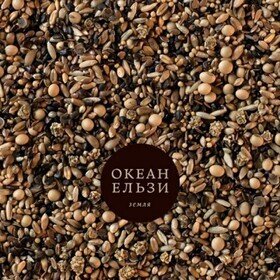
Throughout his career with Okean Elzy, Vakarchuk has released numerous critically acclaimed albums including "Model" (2001), "Gloria" (2005), and "Zemlya" (Earth, 2013). Songs like "Vesna" (Spring), "Obiymy" (Embrace), "Na nebi" (In the Sky), and "Bez boyu" (Without a Fight) have become anthems for multiple generations of Ukrainians. The band has consistently filled stadiums across Ukraine and has toured extensively in Europe and North America, performing for Ukrainian diaspora communities.
What makes Vakarchuk unique is his ability to combine poetic, deeply philosophical lyrics with accessible rock melodies that appeal to both mainstream audiences and music critics. His songs often explore themes of love, freedom, national identity, and human dignity, resonating particularly strongly during pivotal moments in Ukrainian history. Vakarchuk became a cultural symbol during the Orange Revolution in 2004 and the Euromaidan protests in 2013-2014, with Okean Elzy's music serving as a soundtrack for Ukraine's democratic movements. Beyond music, he has been involved in social activism and briefly entered politics, serving in the Ukrainian parliament. His commitment to singing primarily in Ukrainian, even when Russian-language music dominated the market, helped preserve and promote Ukrainian language and culture, making him not just a musician but a cultural ambassador for his country.