Sort by:
Recommended products









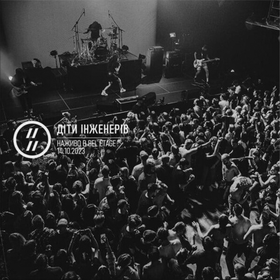
Dity Inzheneriv, which translates to "Children of Engineers" in English, is a Ukrainian rock band that has become one of the most distinctive voices in the country's alternative music scene. Formed in Vinnytsia, Ukraine, the group creates music that blends indie rock, post-punk, and new wave influences with deeply poetic Ukrainian lyrics.
The band was founded in 2013 by vocalist and primary songwriter Yuriy Khustiuk, along with guitarist Oleksandr Chemerov, bassist Serhiy Reznichenko, and drummer Dmytro Shurov. From their earliest performances, Dity Inzheneriv stood out for their commitment to performing exclusively in Ukrainian at a time when many rock bands in the country still favored Russian or English. Their debut album "Inshi" (Others) was released in 2014 and immediately caught the attention of critics and audiences with its melancholic melodies and introspective lyrics that explored themes of alienation, urban life, and personal identity.
The band's breakthrough came with their second album "Epoha Vohniu" (Era of Fire) in 2016, which featured some of their most beloved tracks including "Misto" (City) and "Vesna" (Spring). These songs became anthems for a generation of young Ukrainians seeking authentic artistic expression in their native language. Their third album "Kvity u volossi" (Flowers in the Hair) released in 2018 further solidified their position as leaders of the Ukrainian indie rock movement, with the title track becoming one of their signature songs.
What makes Dity Inzheneriv unique is their ability to combine atmospheric, sometimes brooding soundscapes with lyrics that read like contemporary poetry. Yuriy Khustiuk's distinctive vocal delivery—often described as both vulnerable and defiant—perfectly complements the band's layered instrumentation. Their music captures the complexity of modern Ukrainian identity, addressing both personal struggles and broader social themes without resorting to political slogans or simplistic narratives. The band has been instrumental in proving that Ukrainian-language rock can be both commercially successful and artistically ambitious, inspiring countless other artists to embrace their linguistic and cultural heritage.