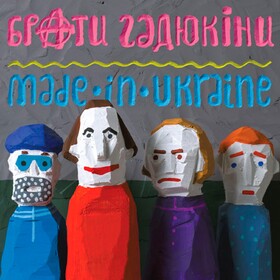
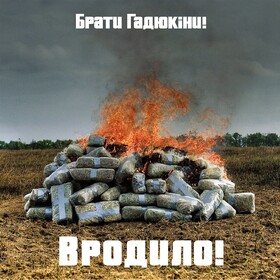
Braty Hadiukiny, which translates to "The Viper Brothers," is a Ukrainian rock band that emerged from Lviv in the late 1980s. The group plays a distinctive blend of rock music infused with elements of Ukrainian folk, punk, and alternative rock, creating a sound that became emblematic of Ukrainian underground music culture. The band was formed in 1988 by brothers Serhiy and Oleh Kuzminsky during the final years of the Soviet Union, a period of significant cultural and political transformation. They quickly became pioneers of the Ukrainian rock movement, performing primarily in Ukrainian at a time when Russian dominated the music scene in the region. Their early performances in Lviv's underground clubs helped establish them as voices of a new generation seeking cultural identity and artistic freedom. Their debut album "Oi ty, divchyno, z horiv" was released in 1991, coinciding with Ukraine's independence. This timing proved symbolic, as the band's music became intertwined with the nation's cultural awakening. The album featured raw, energetic rock with lyrics steeped in Ukrainian imagery and folklore, setting the template for their future work. Songs like "Kolyskova" and "Malvy" became anthems for young Ukrainians exploring their cultural roots through contemporary music. Throughout the 1990s, Braty Hadiukiny released several influential albums including "Krayina mriy" (1993) and "Tantsi" (1995), which showcased their evolving sound and cemented their status as one of Ukraine's most important rock acts. Their music videos received regular rotation on Ukrainian television, and their concerts drew large crowds across the country. The band collaborated with various Ukrainian artists and became known for their energetic live performances that combined rock intensity with theatrical elements. What makes Braty Hadiukiny unique is their unwavering commitment to Ukrainian language and culture in their music, even when it was commercially disadvantageous. They successfully merged traditional Ukrainian musical motifs with modern rock sensibilities, creating a sound that felt both authentically rooted and contemporary. Their lyrics often drew from Ukrainian poetry, folklore, and everyday life, delivered with a punk-rock attitude that resonated with youth while maintaining artistic depth. The band's influence extends beyond music, as they became cultural icons representing Ukrainian identity and independence in the post-Soviet era, inspiring countless Ukrainian-language rock bands that followed.
Задавайте питання в InstagramЗадавайте питання в TelegramЗадавайте питання в Viber