
Recommended products







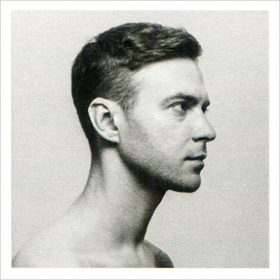
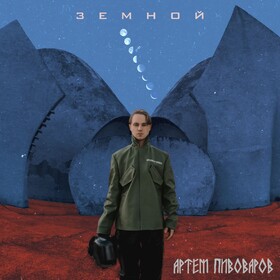
Artem Pivovarov is a Ukrainian pop singer, songwriter, and producer who has become one of the most prominent figures in contemporary Ukrainian music. Born on March 6, 1991, in Donetsk, Ukraine, he creates music that blends pop with electronic elements, R&B influences, and modern production techniques, singing primarily in Russian and Ukrainian. Pivovarov's creative journey began in the early 2010s when he started gaining attention through social media and YouTube. His breakthrough came in 2013 with the release of his debut single "Sobiraem Kamni," which quickly went viral and established him as a rising star in the Ukrainian music scene. This success was followed by a series of popular singles that showcased his distinctive vocal style and contemporary sound. In 2015, he released his debut album "Soblazny," which solidified his position in the industry and featured several hit tracks that dominated radio airwaves and streaming platforms. Throughout his career, Pivovarov has released numerous successful singles that have become anthems for young audiences across Ukraine and neighboring countries. Songs like "Zolotye," "Yakshcho Ti Mene Pidesh," "Nezlamna," and "Dim" have accumulated millions of views on YouTube and streaming platforms. His 2017 album "Oranzhevoe Nebo" further demonstrated his artistic growth and ability to craft radio-friendly pop songs with emotional depth. He has also collaborated with various artists in the Ukrainian and Russian music scenes, expanding his reach and influence. What makes Artem Pivovarov unique is his ability to bridge contemporary Western pop sensibilities with Eastern European musical traditions and sensibilities. His production style is polished and modern, often incorporating electronic beats, atmospheric synths, and catchy melodies that appeal to a broad audience. His vocal delivery is smooth and emotive, capable of conveying both vulnerability and confidence. Beyond his musical talents, Pivovarov has been vocal about his Ukrainian identity, especially following the events of 2014 and the ongoing conflict in Ukraine, using his platform to support his country and its culture. His commitment to singing in Ukrainian, alongside Russian, has helped promote Ukrainian-language pop music to wider audiences, contributing to the cultural renaissance in Ukraine's music industry.