Sort by:
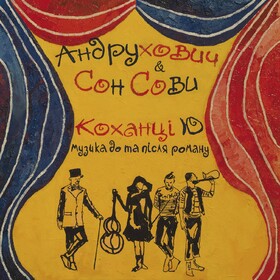
Kohanci Yu / Music Before and After the Novel (Коханцi Ю / Музика до та після роману)Андрухович та Сон СовиSOLD OUT
Yuri Andrukhovych is a Ukrainian poet, prose writer, essayist, and translator from Ivano-Frankivsk, Ukraine, known for literary works that incorporate postmodernist and performance elements rather than music as a primary genre. "Owl’s Dream" refers to musical adaptations of his poetry by the Polish group Karbido, resulting in collaborative albums blending spoken word with experimental rock and electronic sounds. Born on March 13, 1960, in Stanislav (now Ivano-Frankivsk), Andrukhovych studied journalism in Lviv, graduating in 1982, and later completed military service before launching his literary career. In 1985, he co-founded the Bu-Ba-Bu poetic performance group with Viktor Neborak and Oleksandr Irvanets, introducing burlesque, satire, sound poetry, and carnival elements to critique Soviet socialism and revive comedic literary styles, which gained popularity through theatrical readings among students and intelligentsia. Key milestones include his early poetry collections like *The Sky and Squares* (1985), *Downtown* (1989), and *Exotic Birds and Plants* (1991), after which he declared a moratorium on poetry to focus on prose, producing novels such as *Twelve Rings* (2003, first translated into German). Several of his poems were set to music by Ukrainian rock bands Mertvyi Piven and Plach Ieremii, and notably by Karbido, leading to the recognized CDs *Samohon* (Moonshine) and *Tsynamon* (Cinnamon), which fuse his recited texts with musical arrangements. He edited literary publications from 1991-1995, contributed cultural reviews, co-founded a postmodernist journal, earned a Candidate of Sciences degree in 1996 on Bohdan-Ihor Antonych's poetry, and participated in the Orange Revolution demonstrations. What makes Andrukhovych unique is his role as a Bu-Ba-Bu pioneer and "patriarch of Ukrainian literature," pioneering non-conformist, urban postmodernism that merged poetry with performance art, challenged socialist realism and patriotic dogma, and extended into acclaimed prose and cross-cultural music collaborations like those with Karbido.